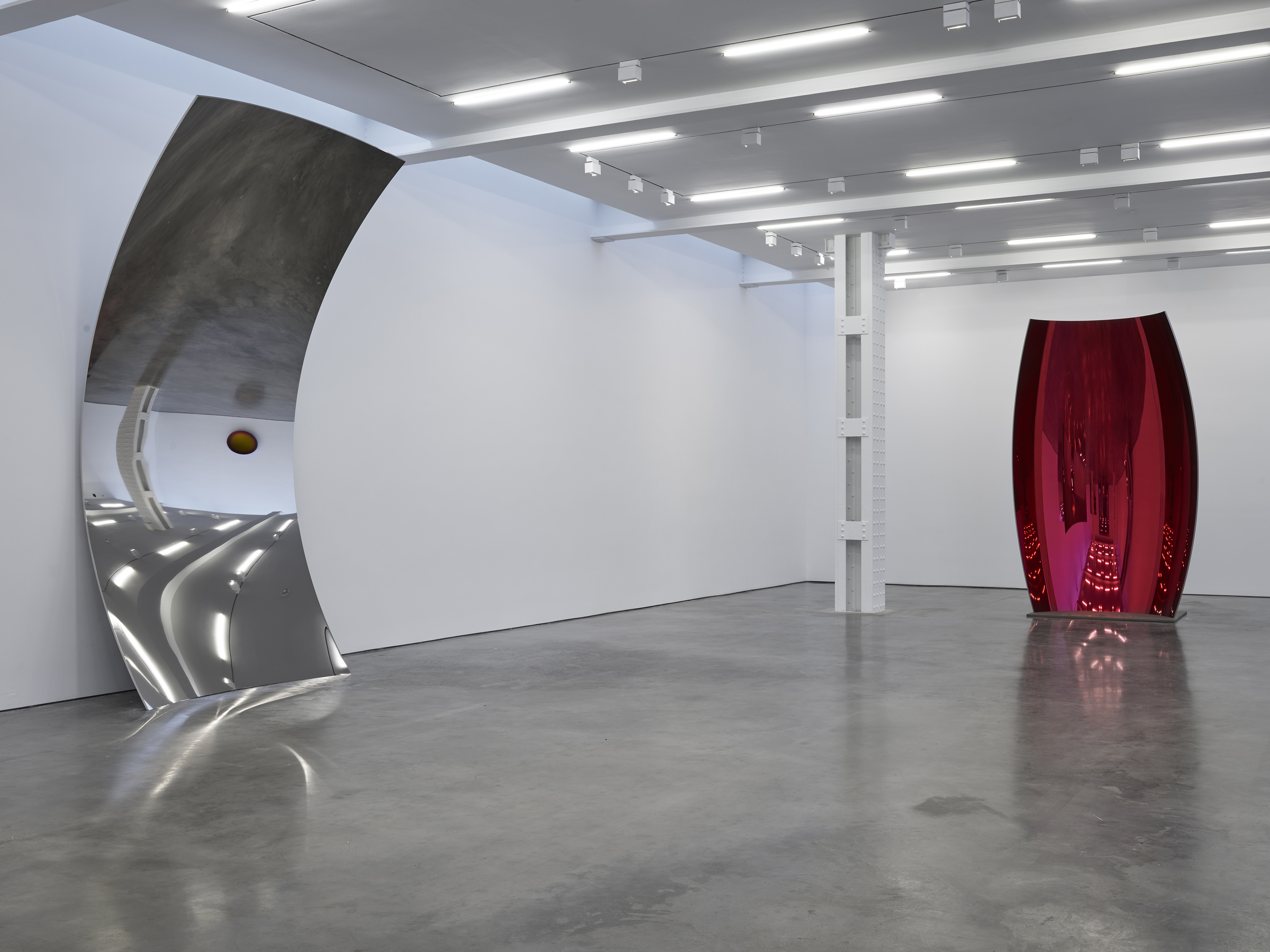
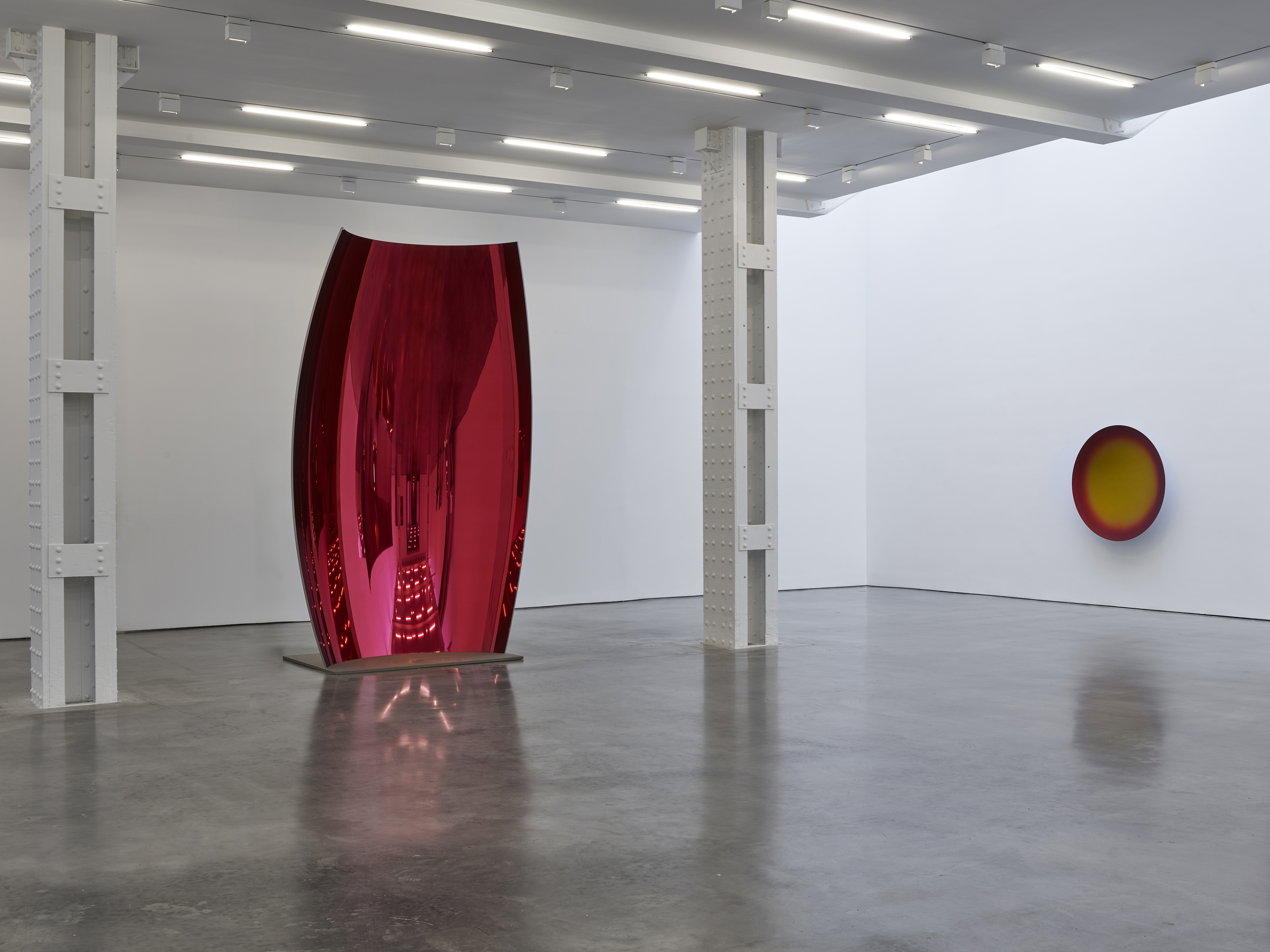
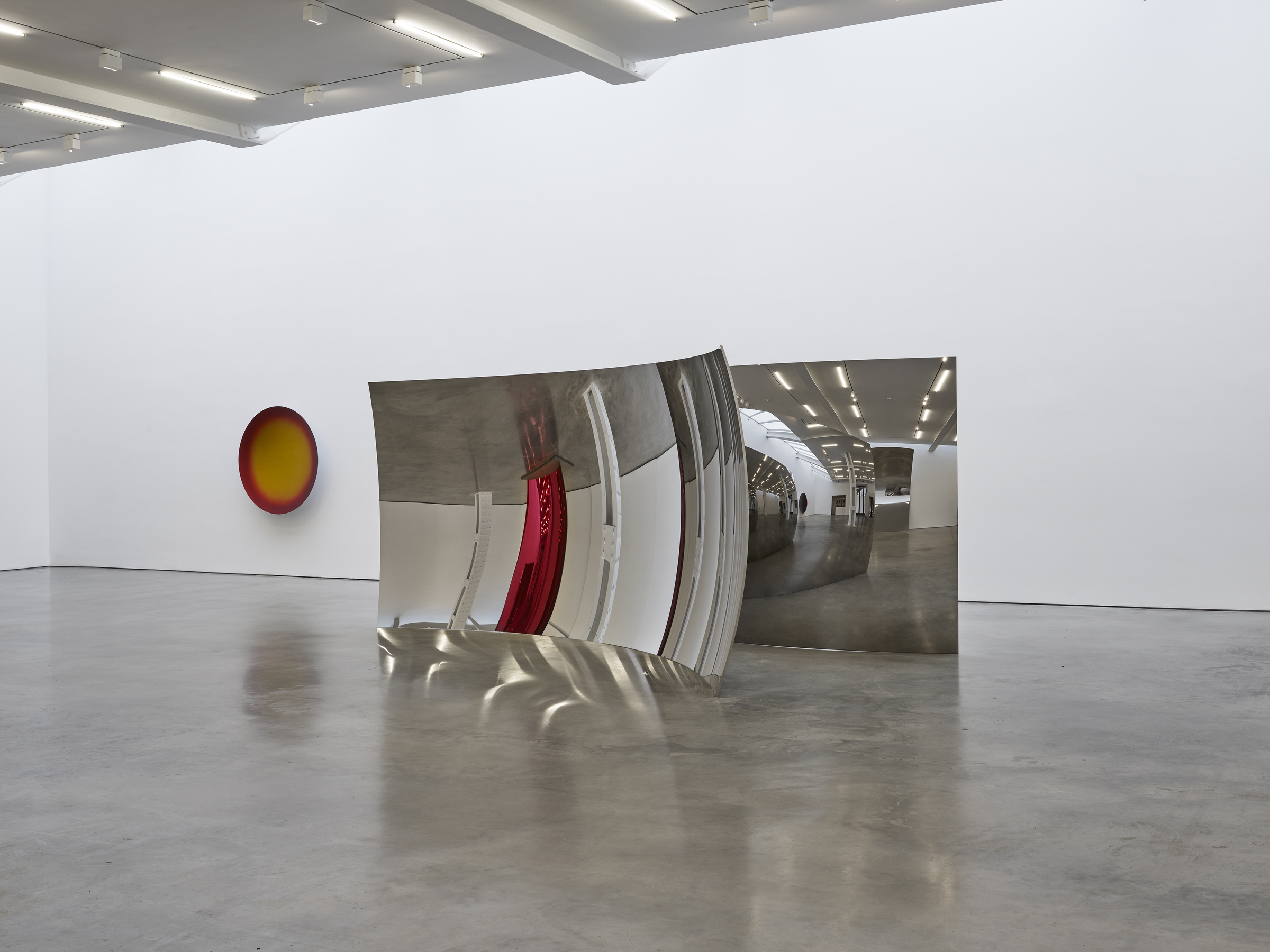
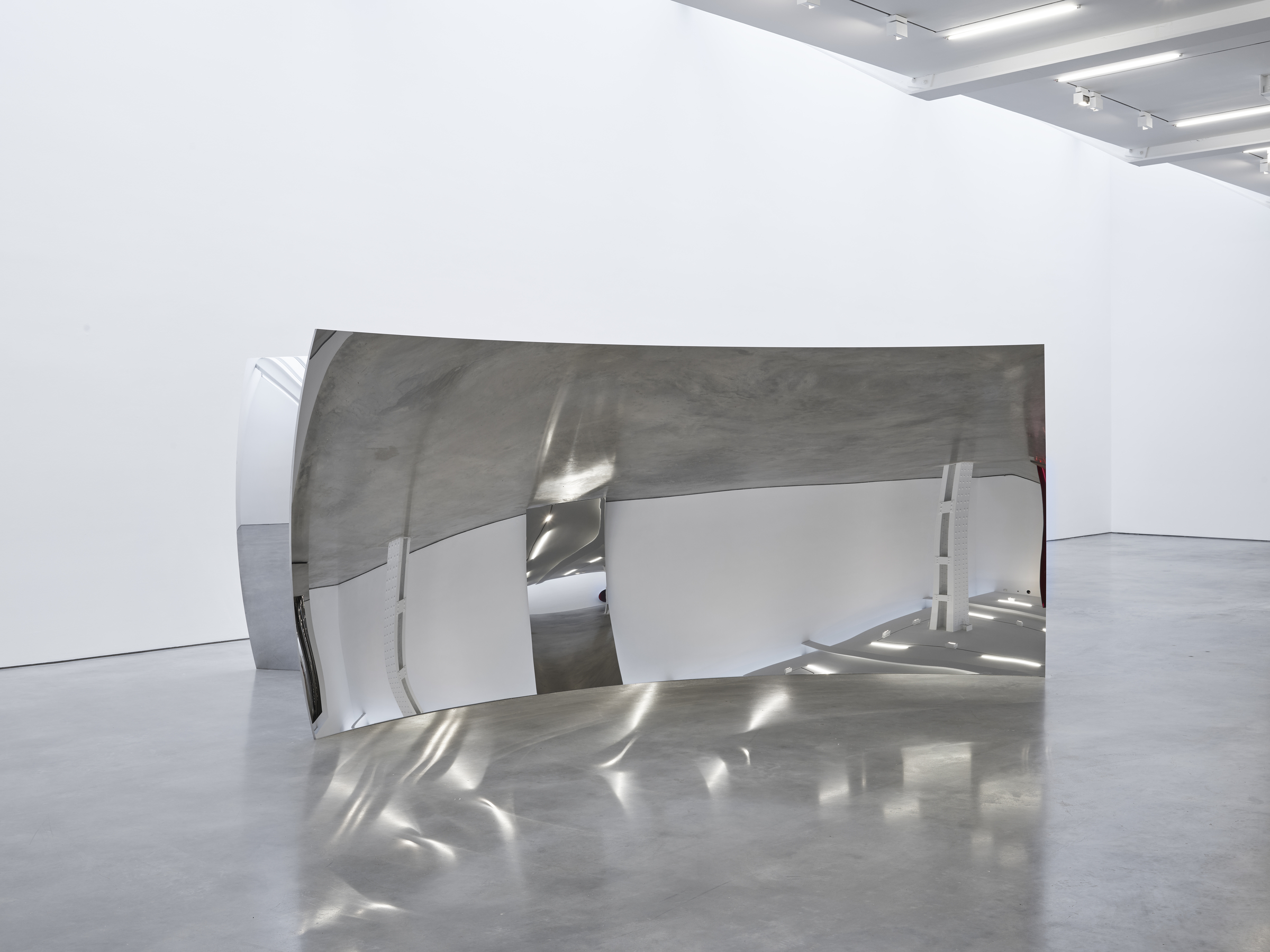
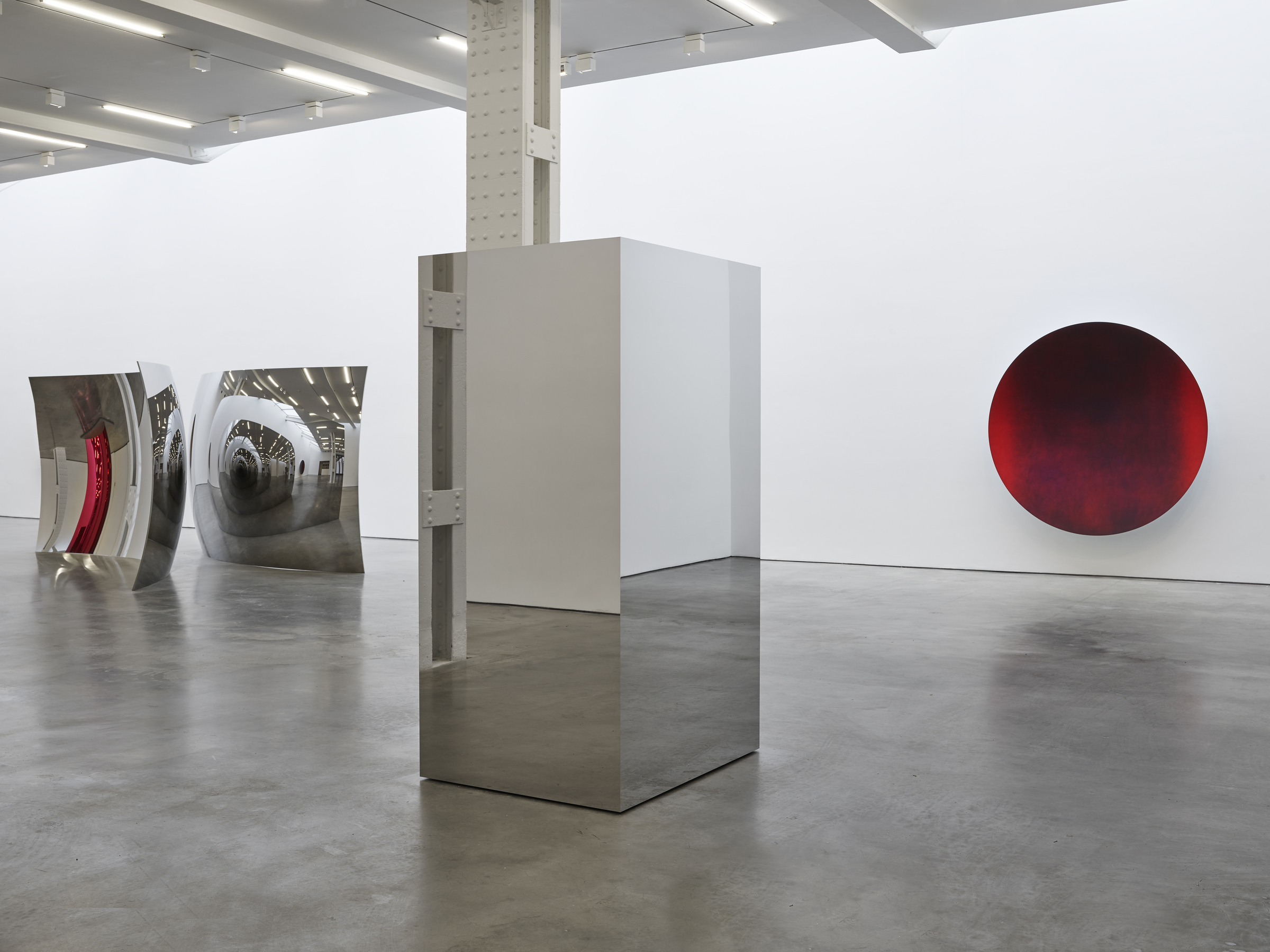
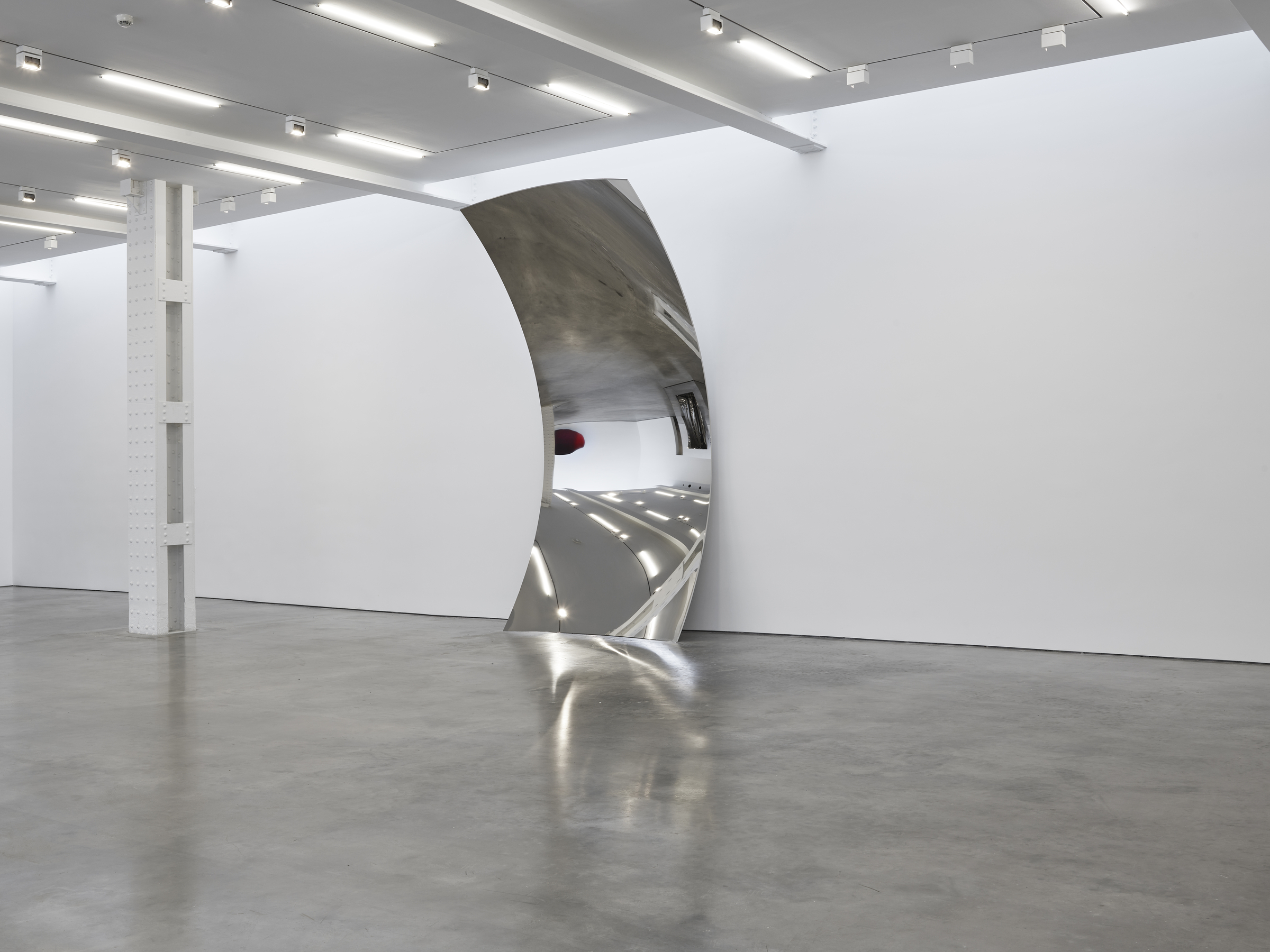
Anish Kapoor’s groundbreaking explorations of scale, color, volume, and materiality unfold through a focused presentation of mirror works created between 2010 and the present. Building on the artist’s enduring investigation of spatial illusion, these sculptures challenge viewers to experience their de-stabilized presence within reflective and immersive environments. Monumental stainless-steel forms anchor the exhibition, accompanied by a select group of painted mirrors that oscillate between stillness and transformation. The exhibition directly follows Kapoor’s major museum presentation at the Jewish Museum in New York, and coincides with his first US institutional exhibition dedicated exclusively to painting at the SCAD Museum of Art (opening February 9, 2026). Preceding a landmark exhibition at Southbank Centre’s Hayward Gallery, and an ambitious presentation at Kapoor’s foundation, Palazzo Manfrin, this summer, this exhibition offers a timely opportunity to encounter new iterations in one of Kapoor’s most influential bodies of work.
Read moreFor over four decades, Kapoor has consistently explored new ways of thinking about form, material, and spatial experience. His practice resists purely optical engagement, instead situating the viewer within a phenomenological field where perception is unstable and meaning emerges through embodied encounter. Sculpture, for Kapoor, is not a fixed entity but a condition, an event that unfolds in relation to the human body, the surrounding architecture, and the mutable effects of light.
The presentation in New York brings together a group of stainless-steel works that exemplify this approach. In Non Object (Plane) (2010), a single folded sheet of highly polished stainless steel leans against the wall, seemingly weightless. Its reflective surface produces an image that is continuously reconfigured by movement and proximity. The work operates in a liminal register, suspended between objecthood and immateriality, as reflections expand beyond the physical limits of the sculpture itself. Viewers encounter their own distorted image within an indeterminate spatial field, prompting a heightened awareness of presence and scale.
Similarly, Double Vertigo (2012), in which paired concave forms generate a compounded optical effect that destabilizes orientation, creates a sense of inward pull, producing a subtle tension between attraction and disquiet. A recent large-scale sculpture, Untitled (2023), presents a stainless-steel cuboid structured around a central void. Rather than absorbing light in the manner of Kapoor’s pigment voids, the interior reflects it, transforming absence into an active visual condition. The work extends Kapoor’s sustained engagement with the void as a site of ambiguity and instability, where sensations of depth, containment, and loss of orientation converge.
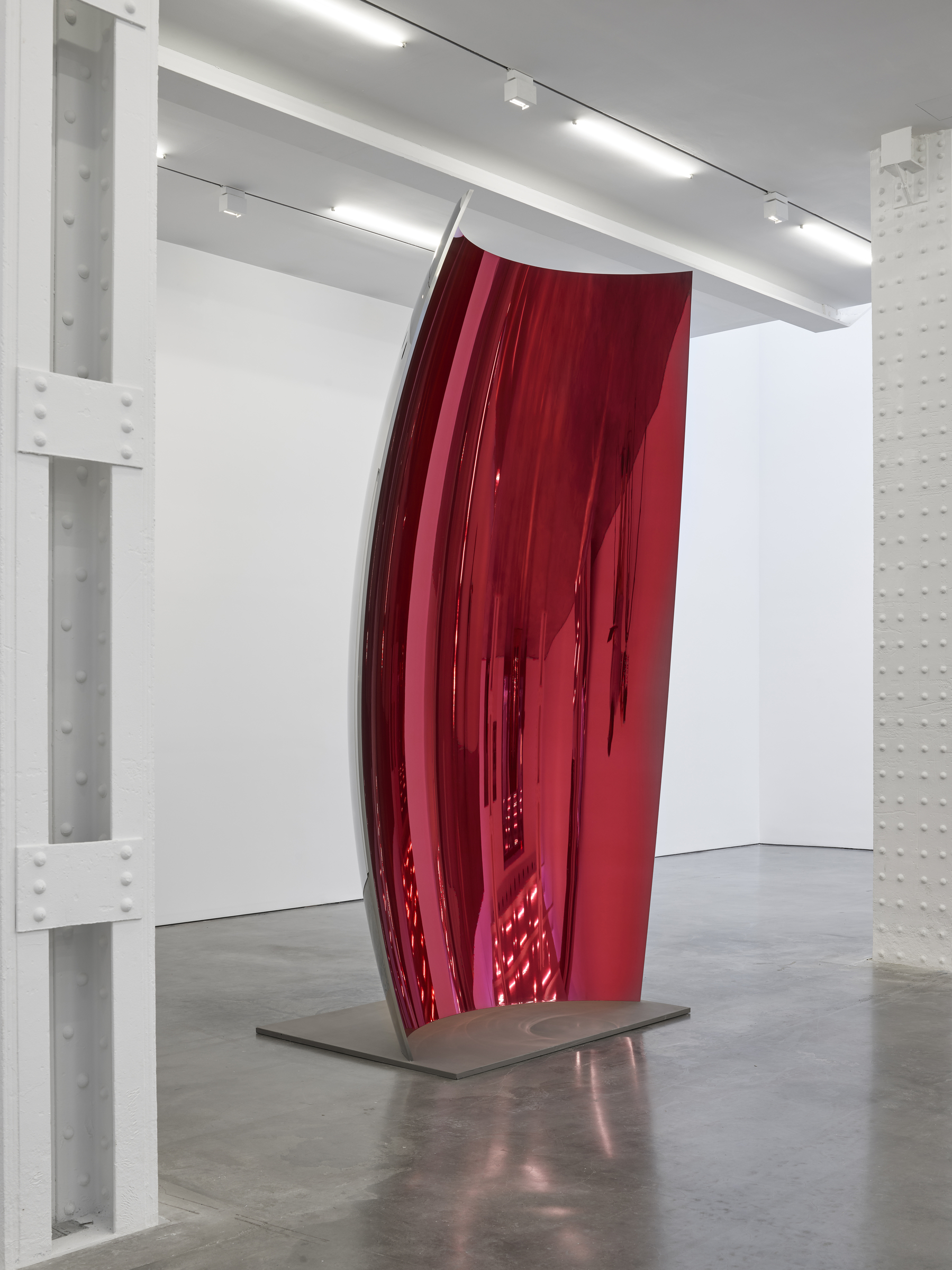
In Stave (Red) (2015), Kapoor introduces a lacquered red surface to the polished steel, intensifying the sculptural presence of the work. Long associated with interiority and corporeality in the artist’s oeuvre, the color operates as both surface and spatial agent, inflecting reflection with emotional resonance.
Complementing these freestanding works, a selection of three wall-mounted mirror sculptures lines the gallery, further expanding the exhibition’s spatial complexity and the artist’s investigations in the stainless-steel medium. Their subtly curved surfaces project warped reflections into the surrounding space, collapsing distinctions between painting, sculpture, and architecture. These works underscore Kapoor’s ongoing interest in translating painterly concerns, such as color, surface, and illusion, into three-dimensional form.