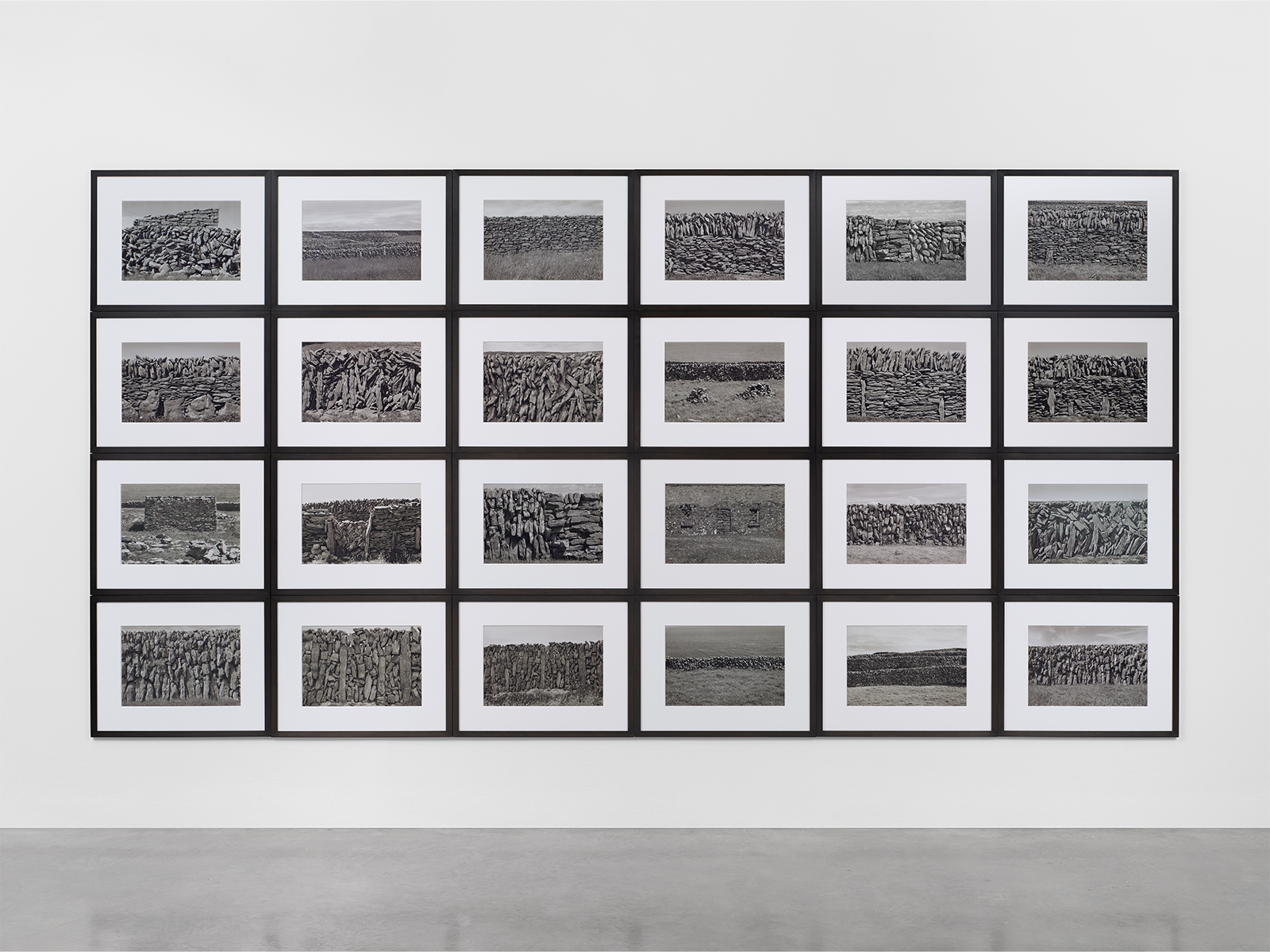
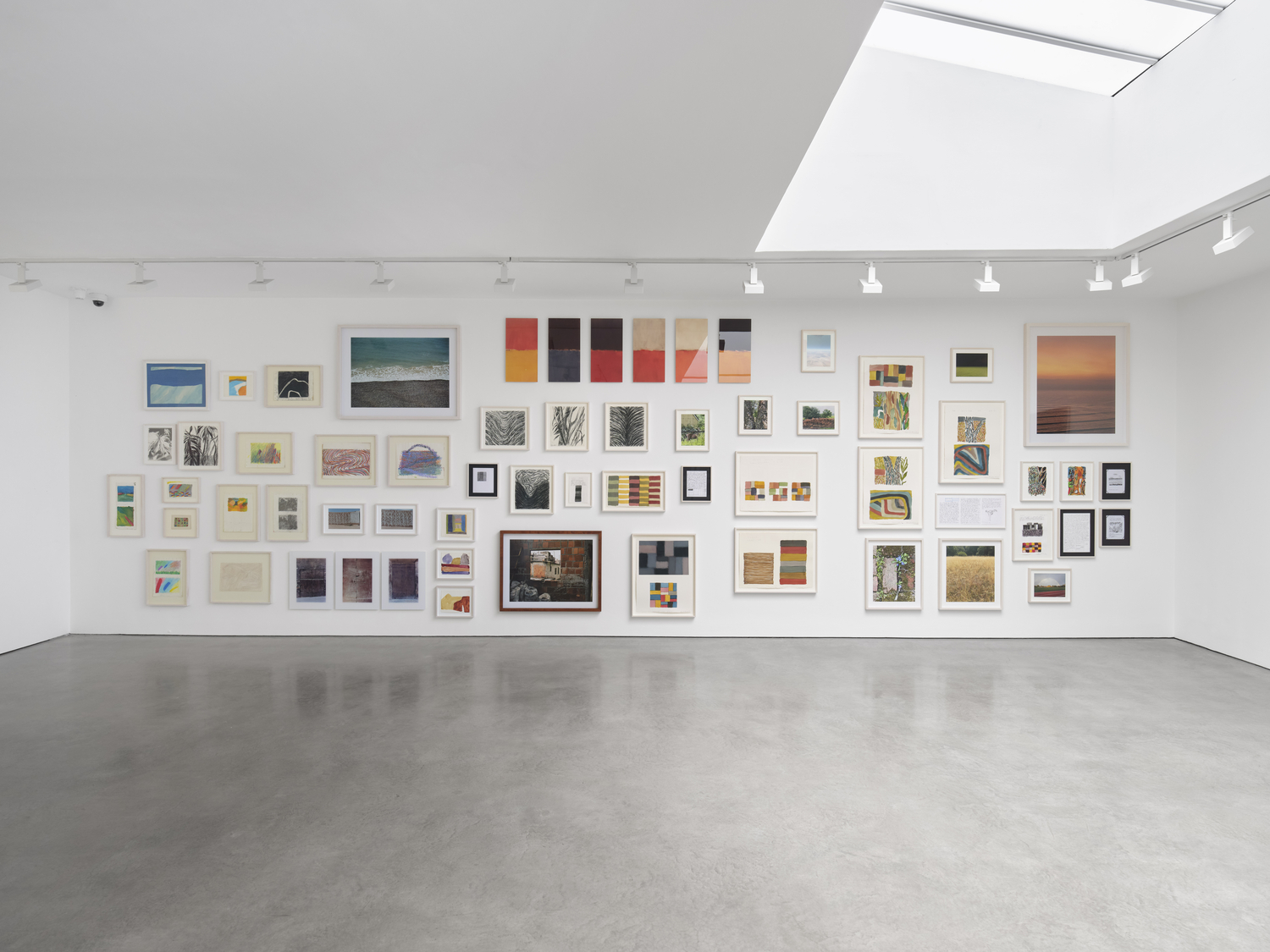
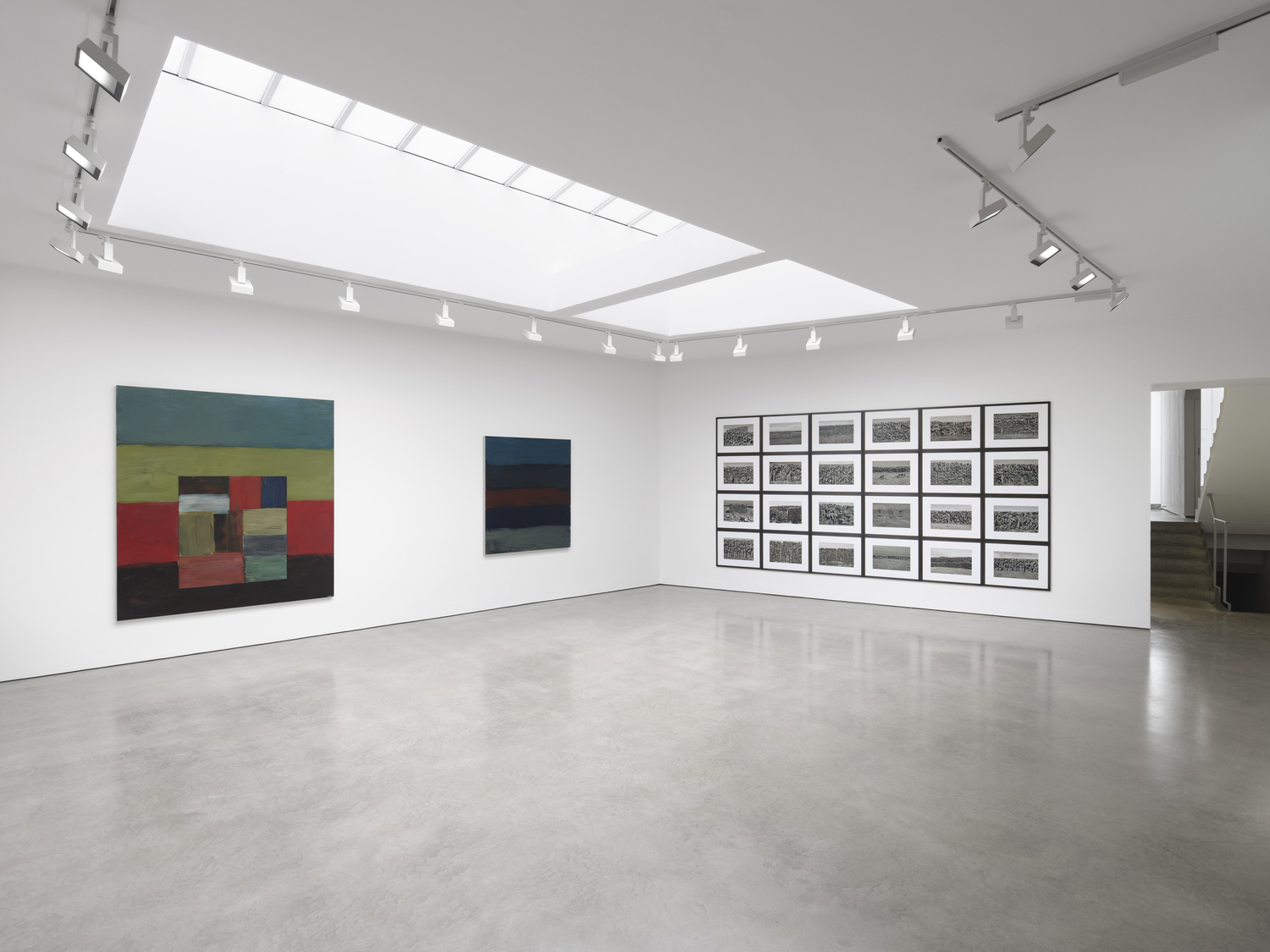
Recently named the "greatest living abstract painter" by Jonathan Jones in The Guardian, Sean Scully’s abstraction has always held landscape as a touchstone. Presenting his 2005 series of photographs from the island of Aran alongside two large-scale paintings and a huge salon-style array of drawings, watercolours, photos and written works on paper, this selection charts the landscape theme throughout his career, revealing how enmeshed the natural world remains to the artist's ways of seeing and thinking.
Read moreThis specially envisaged wall of Scully's landscape works, hung in rough chronological order from left to right, begins with an early pencil drawing of a house plant from 1965, produced while he was still a student at the then precursor to Central Saint Martins. Scully then leaps from close botanical study to radical abstraction in the space of just a year or so. A suite of vibrant oil pastels and gouaches from 1965-66 blur traditional horizon lines, rainbows and two figures in a field with a newly abstracted impetus and bold colouration.
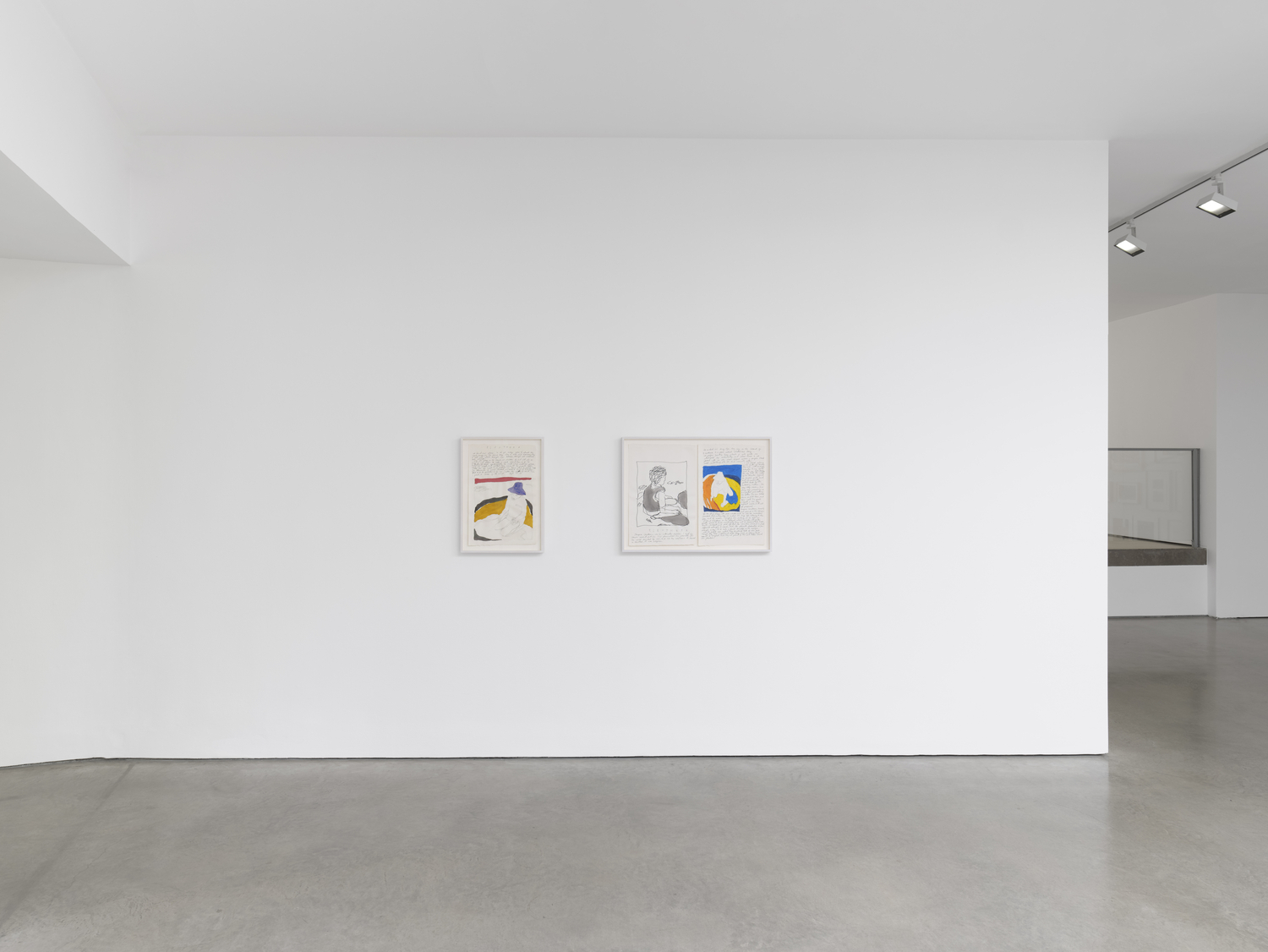
Three watercolours from 1984 – depicting a countryside view, rustic houses and a vista from a balcony – lead into further works on paper that develop this medium towards fully abstracted, lined or striped compositions with others composed of cubiform blocks. A group of charcoal works mine the undergrowth and the strata of the earth, while his written pages speak of Scully's admiration for Monet's Giverny and how green only entered his painterly vocabulary after 2016, following a long hiatus. Tellingly, passages of abstraction are often combined on the same sheet with recognisable plants or organic motifs, completing the cycle that sets everything flowing from, but also eventually back to, nature – ending with new drawings made in Eleuthera in the last week of 2025.
Photography is a constant throughout this landscape-inflected mini-survey, from Moroccan walls and Sienese doors through to shorelines and woodpiles, and is reiterated in the iconic 2005 Aran series of 24 black-and-white photographs taken on the eponymous island off the west coast of Ireland exhibited nearby. Scully's affinity with the ancient traditions of layering and stacking present in the rough-hewn stacks of rocks, the horizontal bands and tessellating gestures that his photography reveals, becomes clear. Two large paintings, including a classic, five-banded Landline and another Moroccan-influenced oil on aluminium, complete the presentation.