
Lisson Studio
Leiko Ikemura
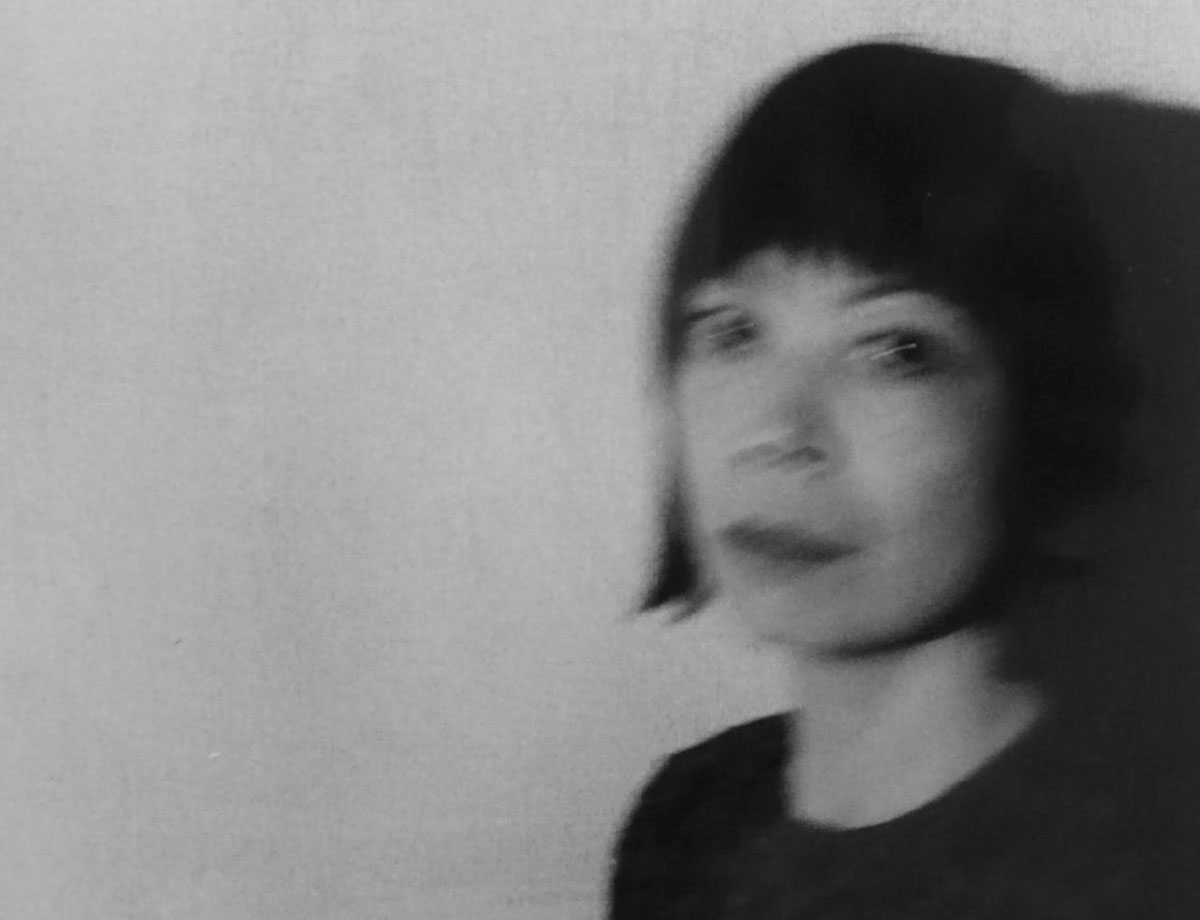
In the Studio with Leiko Ikemura
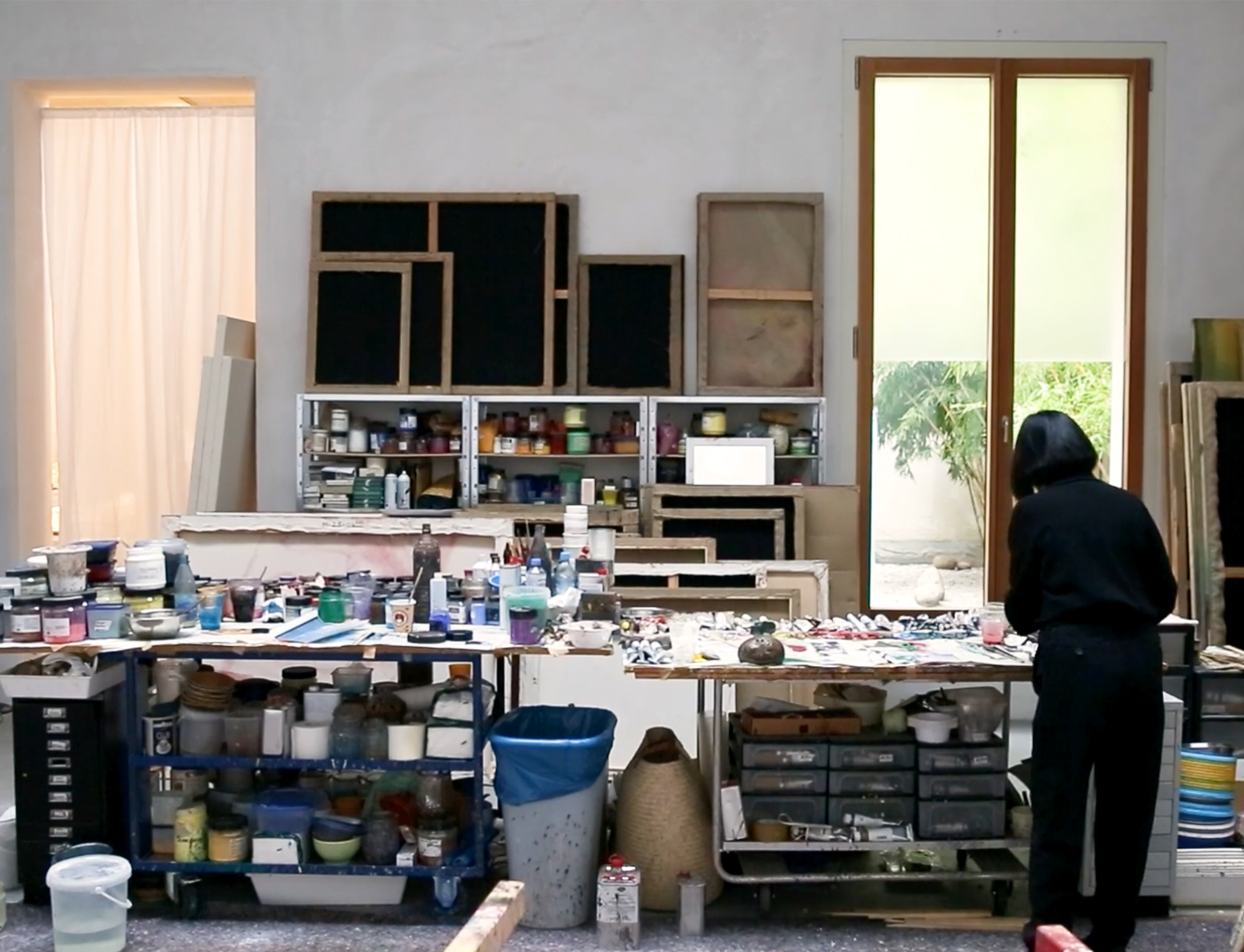
Filmed at her home and studio in Berlin, Germany – designed by her partner, the architect Philipp von Matt – the artist Leiko Ikemura discusses her life and work in advance of her exhibition, Riding Horizon, at Lisson Gallery Los Angeles.
For her first exhibition in Los Angeles, Leiko Ikemura presents a range of works produced over the past decade that explore the relationship between the female body and the natural world; between the heavens and the horizon line, or as she describes it: “the place where two worlds come together”. This in-between space – straddling both light and dark, the sky and the ocean, as well as both interior and exterior worlds – is represented by a huge metallic mesh wave within the gallery, a dividing line and architectural feature designed in collaboration with her partner Philipp von Matt.
“The uncertainty of our time brings many questions, but also possibilities. The female figures initiate new life, holding it in their arms and in their body as a part of themselves.”
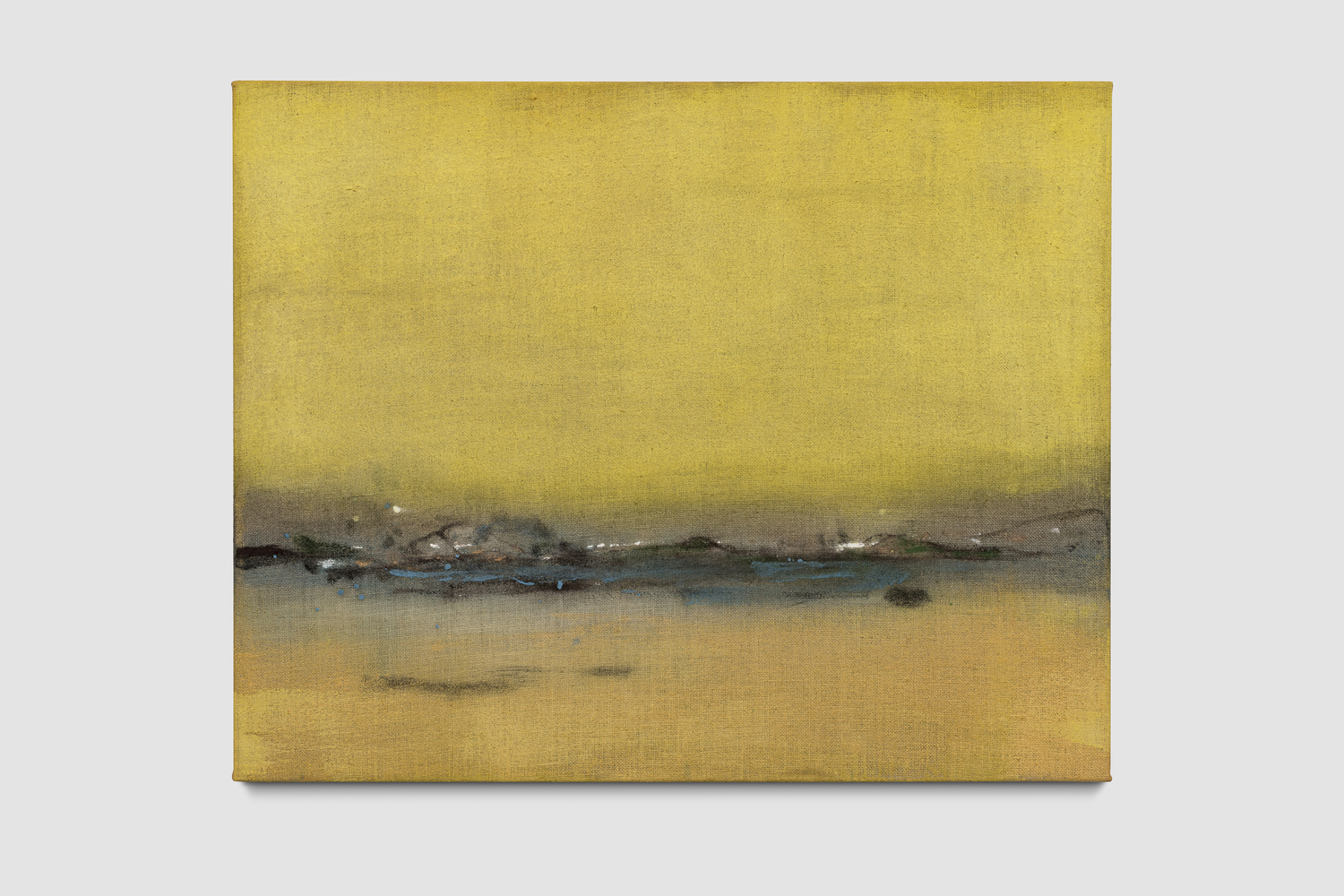
Leiko Ikemura, Low Horizon, 2025, Tempera and oil on jute, 80 x 100 cm, 31 1/2 x 39 3/8 in
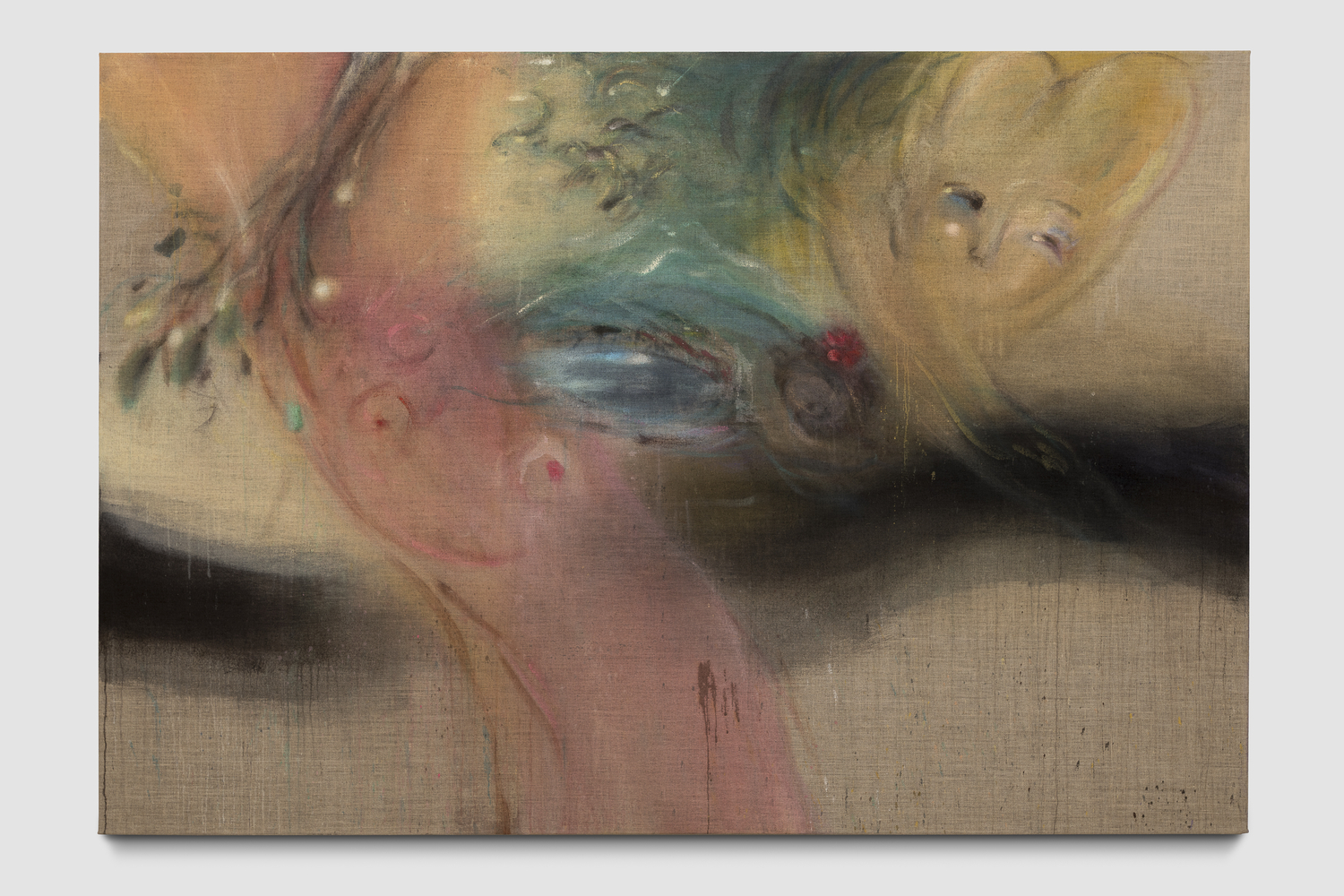
Leiko Ikemura, Waves, 2025, Tempera and oil on canvas, 170 x 250 cm, 66 7/8 x 98 3/8 in
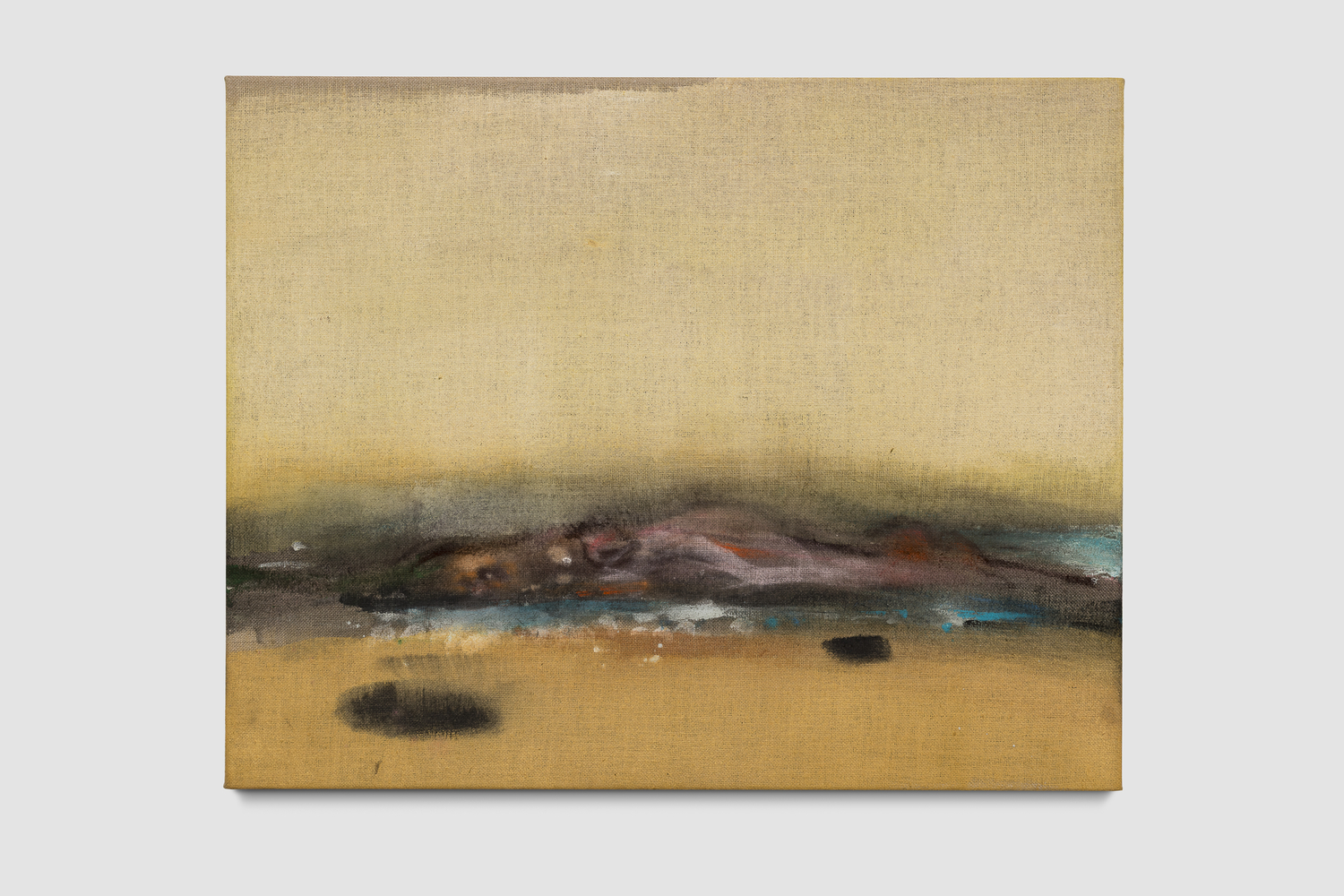
Leiko Ikemura, High, 2025, Tempera and oil on jute, 80 x 100 cm, 31 1/2 x 39 3/8 in
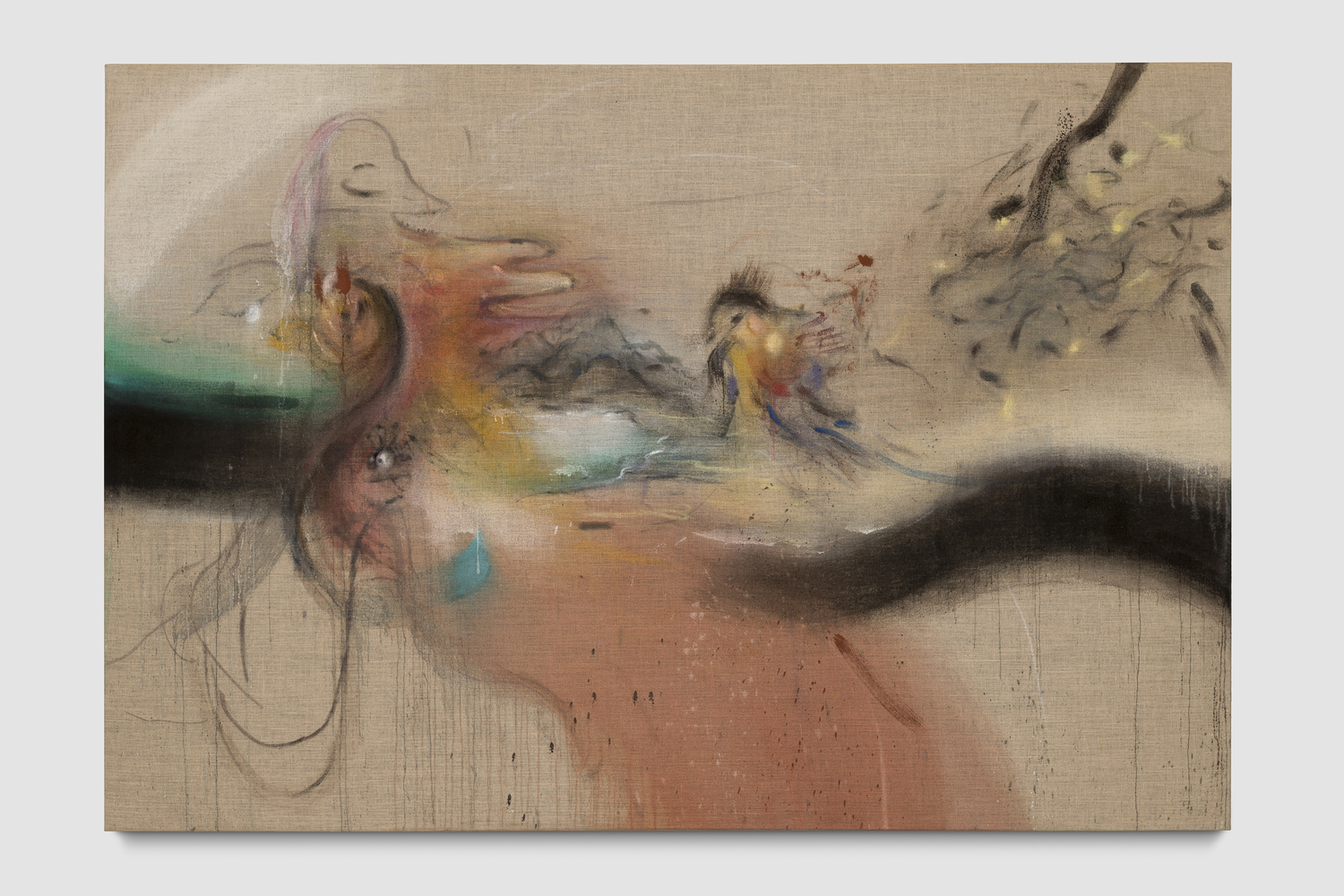
Leiko Ikemura, Waves, 2025, Tempera and oil on canvas, 170 x 250 cm, 66 7/8 x 98 3/8 in
"The twilight zone is, of course, actually a celestial phenomenon that exists perpetually in between the daylit and nighttime portions of our constantly rotating planet, as they chase each other inexorably without ever quite meeting head-on. The zone itself actually goes through three distinct phases from light to dark: from civil twilight (requiring no artificial lighting), to nautical twilight (allowing for navigation by the stars), to the final, astronomical twilight, which occurs as the sun dips far enough below the horizon to completely darken the sky. The work of Leiko Ikemura inhabits and often depicts all of these twilit states at once – through paintings that seem to simultaneously exist in both waning daylight or semi-darkness such as Low Horizon (2025), but could equally be said to depict the moment of either the sun rising or setting – not to mention her fantastical, narrative-driven cast of characters that are marooned in this preternatural, blurry noman’s land, somewhere between truth and eternal dream".
The infinite twilight of Ikemura Land text by Ossian Ward
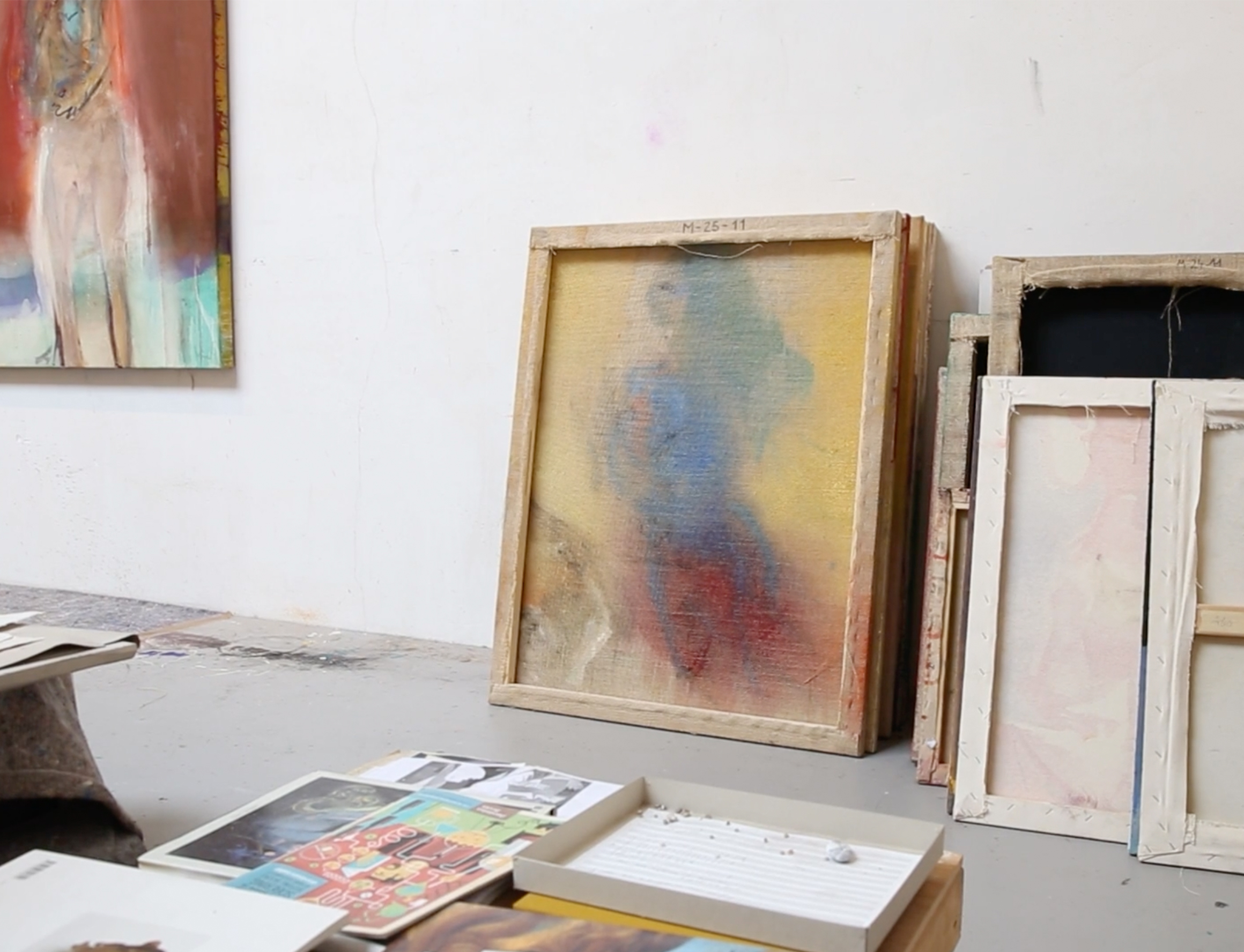
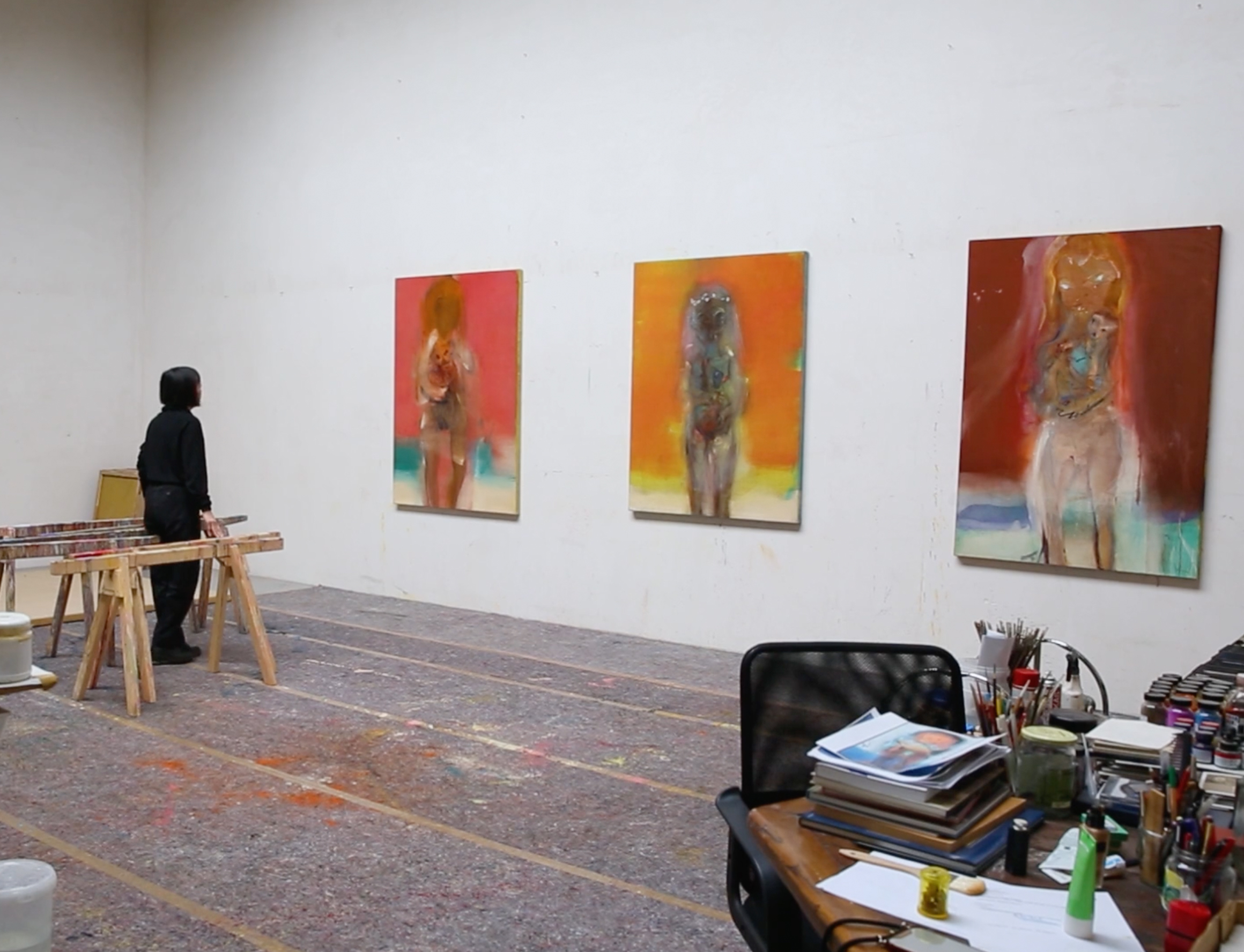
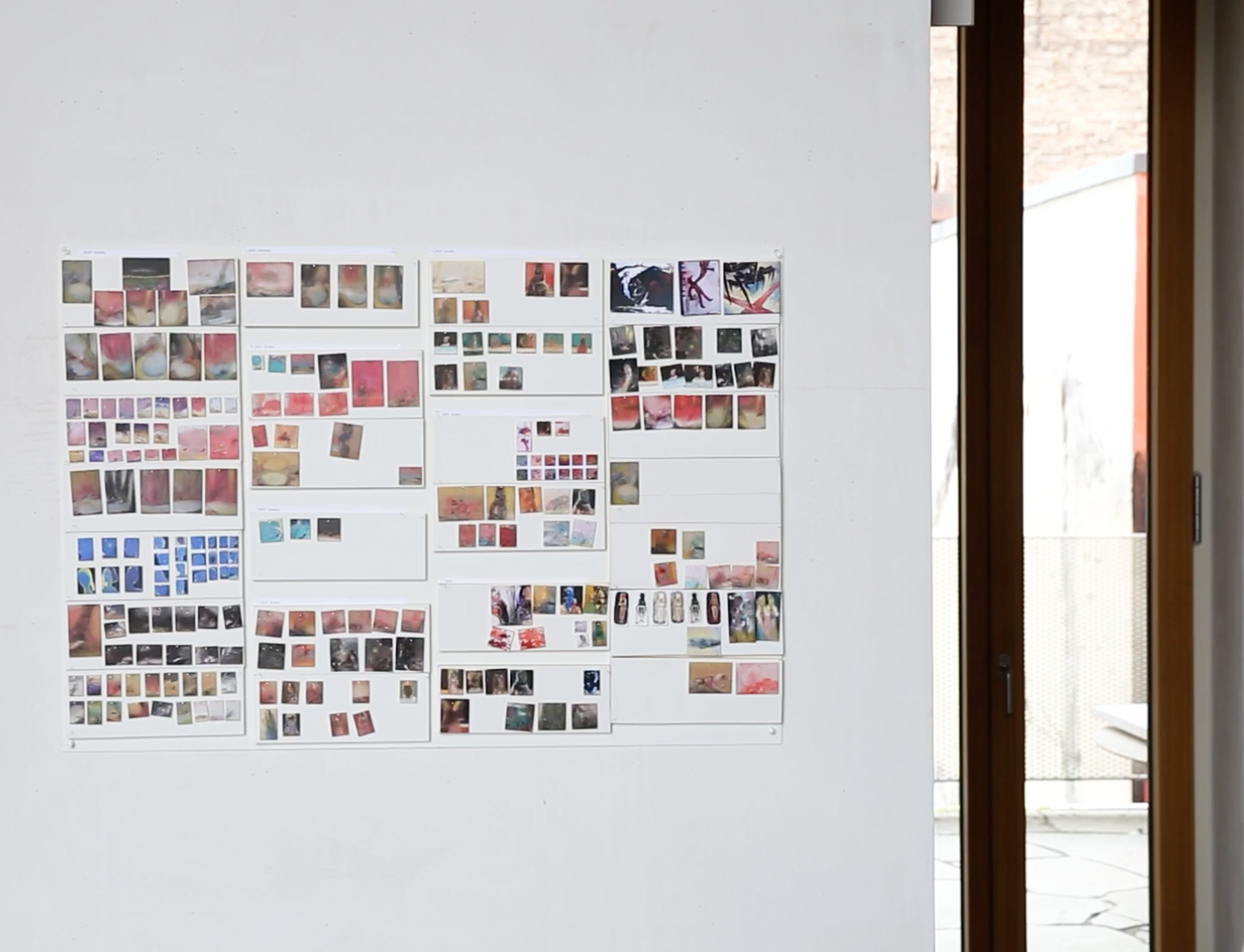
Leiko Ikemura has been painting and sculpting girls since the 1990s, often placing her adolescent characters on indeterminate backdrops, with only a horizon line as anchor. A sequence of standing portraits and patinated bronze sculptures each convey a different energy or mood, like Audry X (2025) and Figure with three Birds (2021). In addition to their overriding personalities, the figures all contain ambiguous expressions and intentions, whether an inherent sadness or a lightness of being, perhaps displaying either vulnerability or an unstoppable power, and sometimes both.
Through her fantastical treatment of the landscape painting genre, entering into the realms of reflection, dreamtime and even of conflict, the artist conjures up an otherworldly utopia in which humans and nature coexist within the melting vastness between the heavens of the cosmos and the oceanic spaces below.
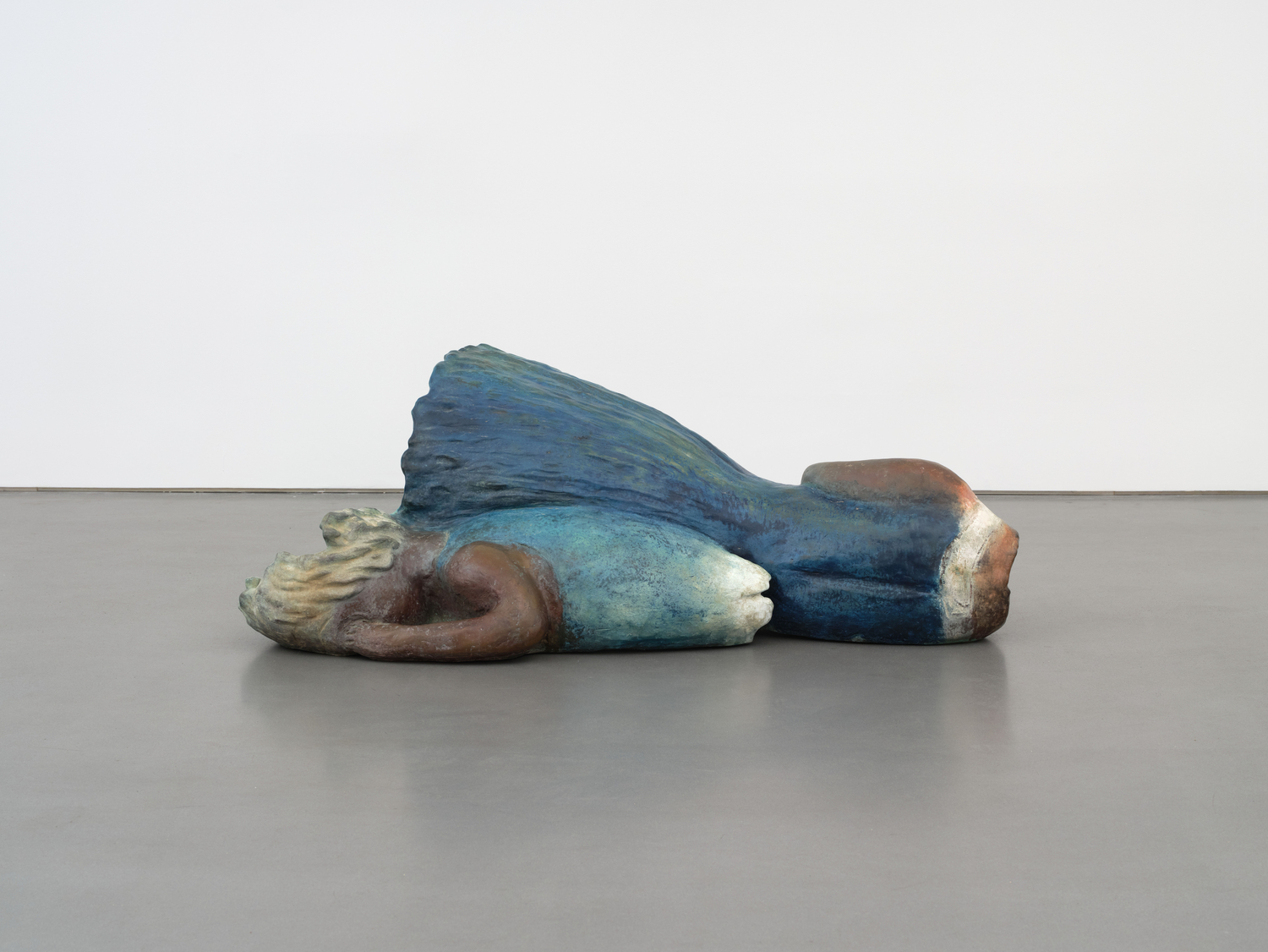
Leiko Ikemura, Double Figure, 2021, Patinated bronze, 58.5 x 107 x 168 cm, 23 x 42 1/8 x 66 1/8 in
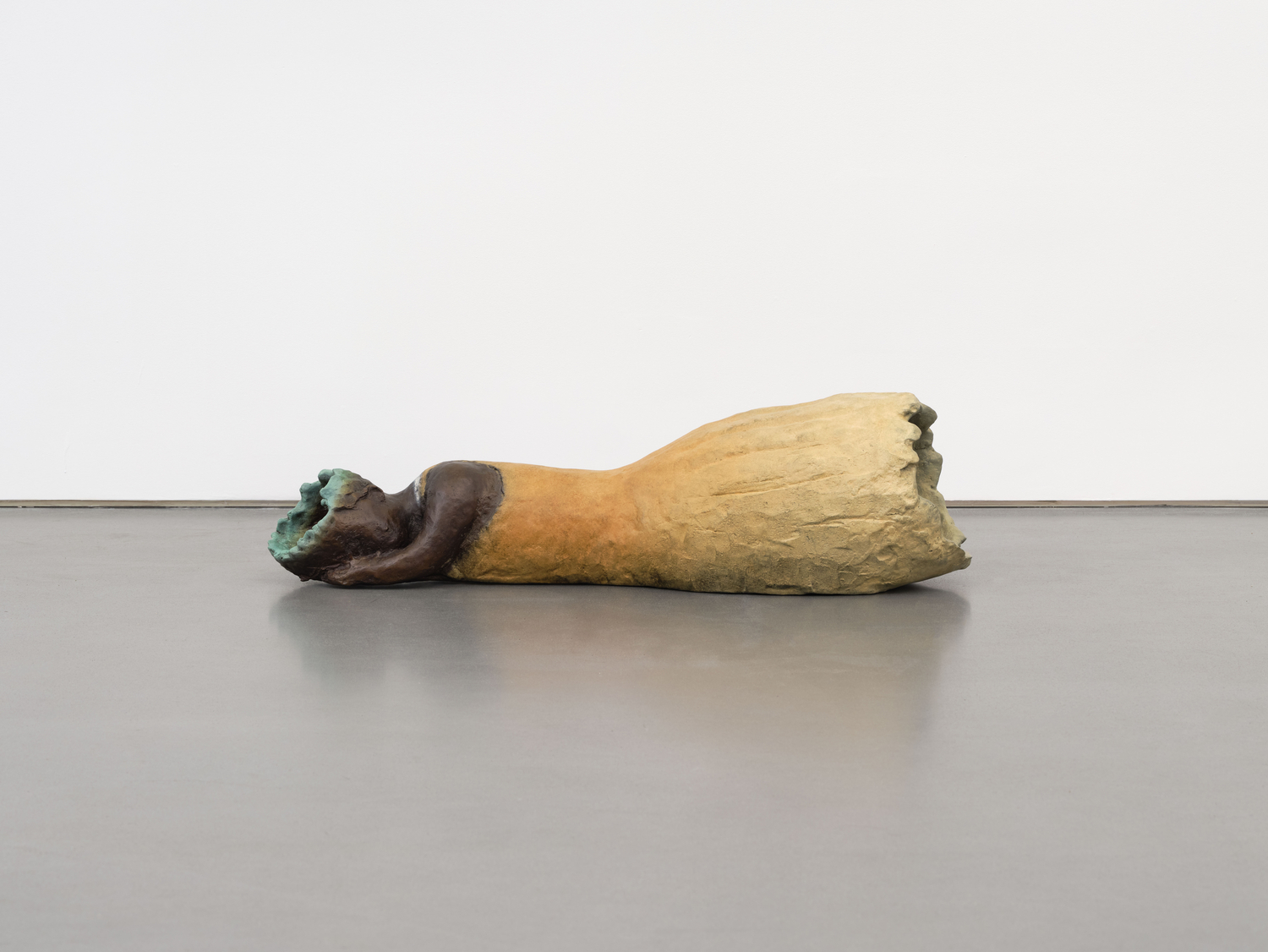
Leiko Ikemura, Liegende in gelbem Kleid / Lying in Yellow Dress, 1997/2025, Patinated bronze, 34 x 112 x 37 cm, 13 3/8 x 44 1/8 x 14 5/8 in
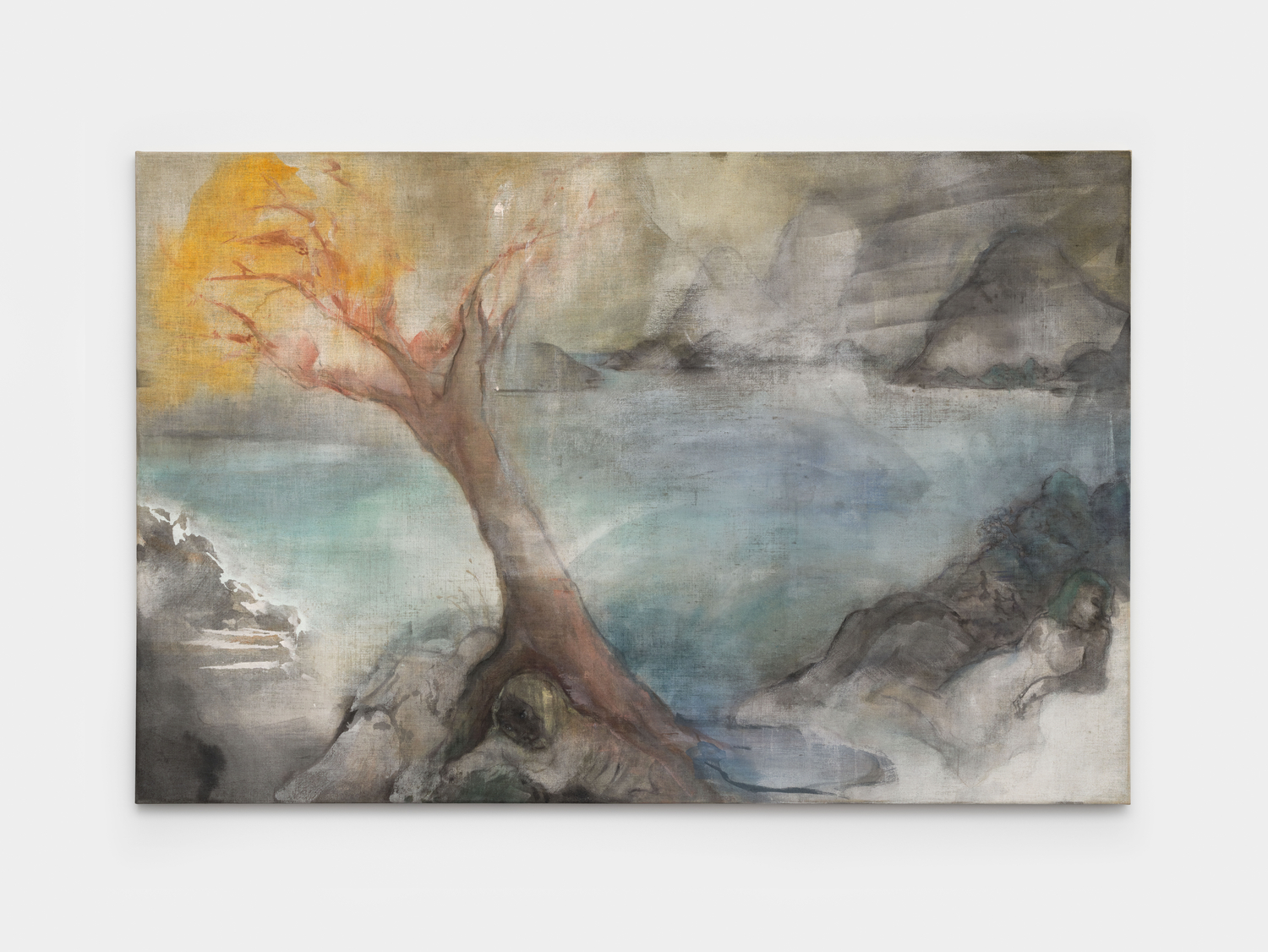
Leiko Ikemura, Zarathustra I, 2014, Tempera on jute, 190.5 x 290.8 x 4.8 cm, 75 x 114 1/2 x 1 7/8 in
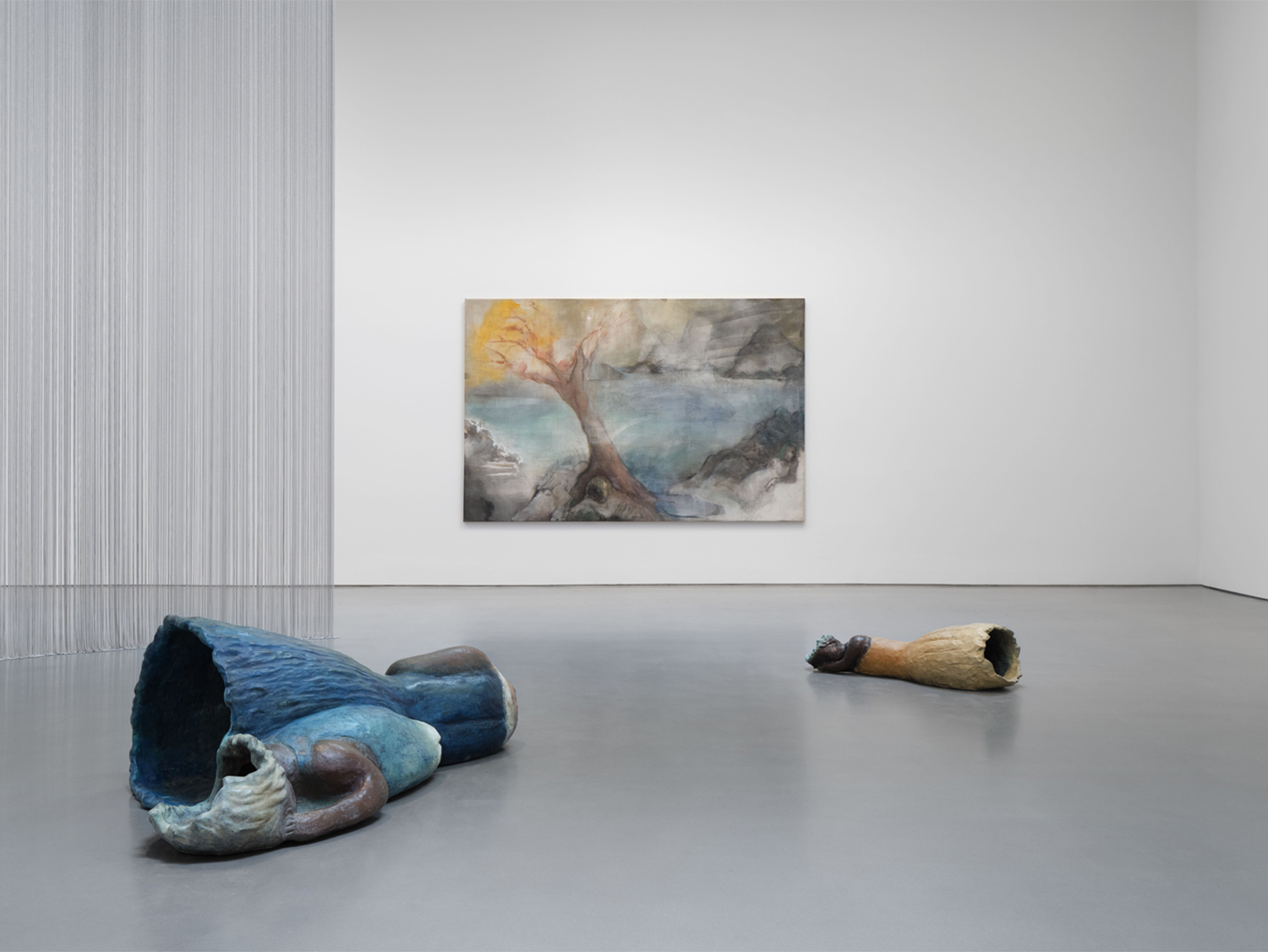
Exhibition view of Leiko Ikemura: Riding Horizon at Lisson Gallery Los Angeles, 24 February – 28 March 2026 © Leiko Ikemura, Courtesy Lisson Gallery
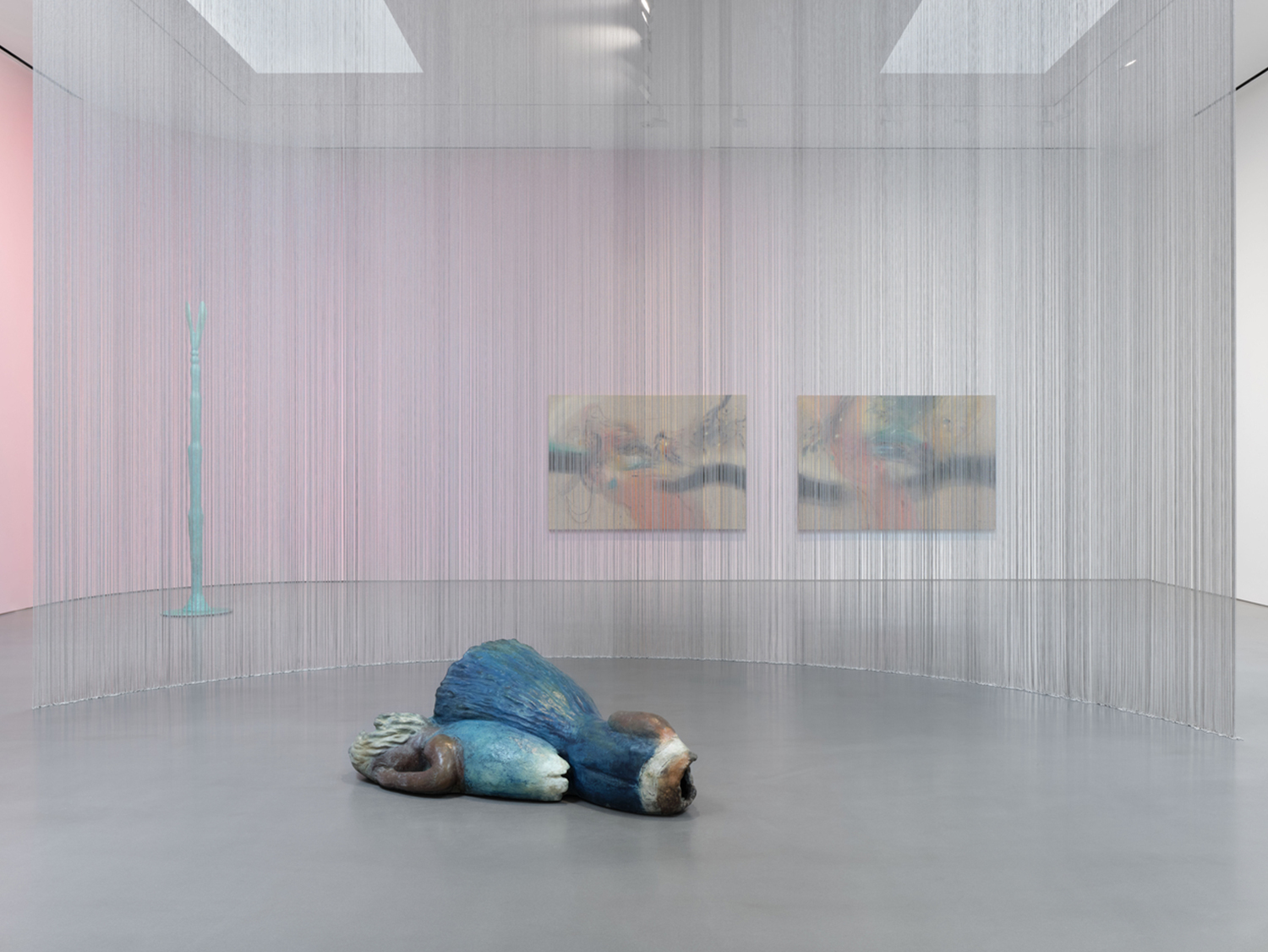
Exhibition view of Leiko Ikemura: Riding Horizon at Lisson Gallery Los Angeles, 24 February – 28 March 2026 © Leiko Ikemura, Courtesy Lisson Gallery
At around the same time in her career as the horizon-girl portraits appeared, the motif of a sleeping or prone figure materialises in Ikemura’s terracotta, clay and bronze sculpture, through a series of hollow, horizontal figures, where each female form could be crying, laughing, play-hiding, resting or even submitting to the soil and becoming one with the ground. These are anxious bodies, shielding their eyes from the horrors of the world. They are island-girls, cut adrift in a sea of uncertainty. They are tree-torsos, inhabiting the forest floor as a place of shelter for animals and other plant life. The sculptures’ relationships to the horizon is more visceral than the paintings, with Ikemura’s deftly handmolded surfaces, indentations and marks suggesting a bodily attachment to the earth, a connection augmented by the subtle coloration and patination of each figure – one wears a russet red skirt, while the other a sea-blue dress that resembles a wave.